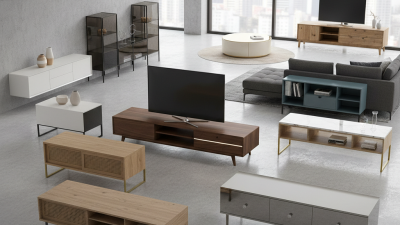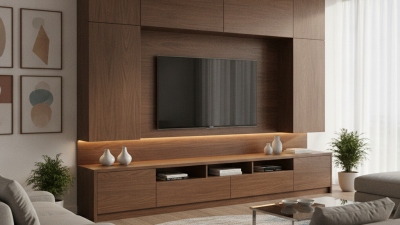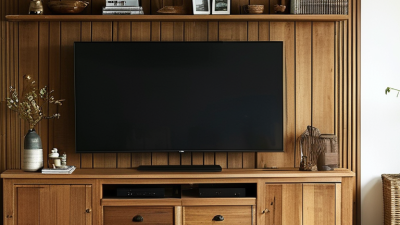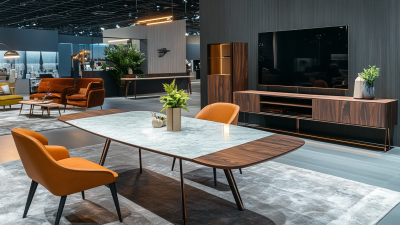
Choosing the right Tv Cabinet in 2026 requires more than matching a screen to a stylish piece of furniture. Global buyers now consider room size, storage needs, shipping conditions, materials, and long-term durability. A cabinet may look impressive online, yet feel unstable in a narrow apartment or arrive with damaged corners.
This guide examines practical cabinet types for different markets and living spaces. Wall-mounted models can free floor space in compact European rooms. Low-profile consoles suit open-plan homes and large televisions. Modular units offer flexible storage for gaming devices, soundbars, books, and media accessories. Solid wood brings warmth and strength, while engineered wood can reduce weight and purchasing costs. Metal and glass designs create a modern appearance, but they may show fingerprints and require careful handling.
Technical details matter. Check the cabinet’s weight capacity, ventilation openings, cable-management channels, and assembly instructions. Measure the wall, viewing distance, doorway, and elevator before ordering. Small mistakes become expensive internationally. Buyers should also confirm packaging quality, warranty coverage, replacement-part support, and applicable product requirements in their destination country. These checks cannot guarantee a perfect purchase, but they reduce avoidable problems.
Some preferences remain difficult to generalize. A warm oak finish may appeal to one household, while another prefers matte black storage. Trends change quickly. Reliable buying decisions should balance appearance with construction quality, usability, and realistic delivery conditions. This overview compares the leading Tv Cabinet types to help global buyers choose with greater confidence.
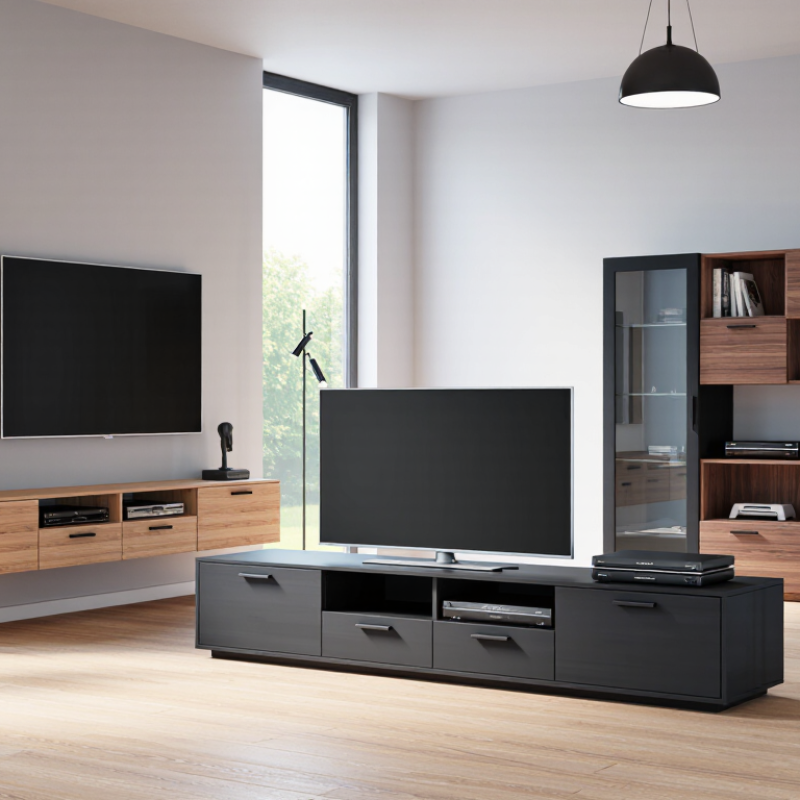
The 2026 TV cabinet market is being shaped by scale. Omdia projects more than 200 million TV shipments worldwide. Each screen creates demand for practical storage, cable management, and safe placement. For global buyers, this volume also means wider differences in room size, furniture habits, and installation standards.
A low-profile cabinet remains a dependable choice for living rooms and hospitality spaces. It supports floor-standing screens and hides routers, game consoles, and power strips. Wall-mounted cabinets create a lighter appearance, especially in compact apartments. However, the wall must support the load, and cable outlets need accurate positioning. Measure twice. Details matter.
Modular cabinets offer flexibility for changing screen sizes and storage needs. Corner units can rescue awkward layouts, while closed doors protect equipment from dust and children. Materials should resist heat, moisture, and repeated cleaning. Buyers should also check ventilation gaps around electronic devices.
In real projects, the cabinet often looks suitable online but feels too shallow after installation. That mistake is common. A professional specification should confirm screen width, base depth, wall structure, shipping dimensions, and local safety expectations. Regional preferences still matter, so one universal cabinet design may not perform equally well in every market.
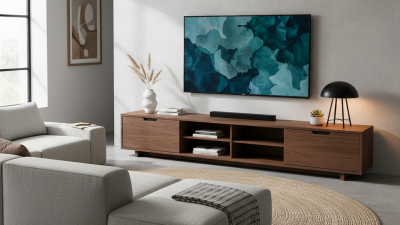
2026 Best TV Cabinet Types for Global Buyers?
Low Console Cabinets: Match 55–65-Inch TVs, the Mainstream Size Range
Low console cabinets suit today’s most common large-screen living rooms. Omdia’s 2024 TV Display and OEM Intelligence Service forecast approximately 208.7 million global TV shipments. That volume supports strong demand for practical, mid-sized furniture. A 55-inch TV is about 48.5 inches wide. A 65-inch model measures roughly 56.7 inches. Choose a cabinet between 60 and 72 inches wide. This creates a balanced border around the screen. It also leaves space for speakers, consoles, or decorations.
Keep the cabinet height near 18–24 inches. The screen center should remain close to seated eye level. This reduces neck movement during long viewing sessions. Select solid shelves for heavy equipment. Add rear openings for airflow and cable access. Closed storage protects devices from dust, but poor ventilation can trap heat. That detail is often overlooked.
Tips: Measure the wall first. Mark the screen width with tape. Check door clearance, shelf depth, and wall sockets. Leave several inches behind heat-producing equipment. A cabinet that looks perfect online may feel too low in your room. I have found that visual balance sometimes matters more than exact measurements. Reflect on seating height, not only screen size. Practical fit wins.
For global buyers, wall-mounted TV cabinets should begin with compatibility, not appearance. Omdia’s 2024 global television forecast estimated roughly 208 million TV shipments worldwide, increasing demand for secure, adaptable installation furniture. A cabinet may fit a 55-inch screen, yet still fail if its bracket ignores the VESA mounting pattern.
VESA specifies horizontal and vertical hole spacing, such as 200 × 200 or 400 × 400 millimeters. It does not confirm wall strength. The cabinet bracket must state its maximum rated load, including the television, shelf equipment, and cables. Add a practical safety margin. For example, a 24-kilogram television, 6-kilogram cabinet, and 3-kilogram accessories create a 33-kilogram working load. The wall structure must support more than that figure.
A useful detail is often missed. Load ratings may apply only to concrete or structural studs, not hollow drywall. Installation guidance from international safety certification bodies consistently emphasizes correct anchors, fastener torque, and periodic inspection.
Measure twice. Drill once.
In my installation experience, buyers sometimes match VESA dimensions but overlook uneven walls and side-loading from open cabinet doors. That mistake can twist the bracket over time. The International Data Corporation’s smart-home device research also shows continued growth in connected home equipment, so future devices should be included in the load calculation. A modest cable channel and adjustable rear rail improve serviceability, although they can reduce internal storage space. That trade-off deserves honest consideration.
In rooms under 20 m², a television cabinet must save floor space without making the room feel crowded. Corner cabinets work well when two walls create unused space. Their angled fronts keep walking paths clear, especially near sofas or bedroom doors. Measure the corner, skirting board, and viewing distance before ordering. Measure twice.
A tall cabinet can provide more storage than a wide, low unit. It may hold game controllers, books, routers, media players, and household documents. Adjustable shelves are valuable because equipment sizes differ across countries. Leave open ventilation around heat-producing devices, with cable openings at the rear. Closed compartments look tidy, but poor airflow can shorten electronic component life.
From practical room planning, cabinet depth deserves careful attention. A unit between 35 and 45 centimetres often offers useful storage without blocking movement. Wall anchoring is important for tall furniture, particularly in homes with children or uneven flooring. Choose moisture-resistant panels for humid climates, but inspect edge sealing closely. Small gaps can swell after repeated exposure to moisture. A corner design may waste capacity if its internal shelves are too narrow. This is easy to overlook in attractive product photos. Check door swing, plug locations, and cleaning access before purchase. Local assembly instructions and load ratings should also be reviewed, since construction standards and wall types vary between regions.
In 2026, global buyers should judge a TV cabinet by documented safety, not appearance alone. EN 14749 is useful for domestic storage furniture sold in European markets. It examines stability, strength, durability, and risks such as tipping or trapped fingers. Ask for the exact test report, product dimensions, and tested load. A heavier television can change the result.
A cabinet with lighting, charging ports, or powered lift features needs closer review. UL 962 may apply to household or commercial furnishings with electrical functions, depending on the product configuration. Do not assume a UL reference covers every socket, cable, or motor. Request evidence for the complete model. Check ventilation openings behind the screen. Heat trapped in a closed compartment can damage equipment over time. Small details matter.
Materials deserve equal attention. FSC documentation can support responsible forest sourcing, but it does not prove structural strength or low emissions. TSCA Title VI addresses formaldehyde emissions from composite wood products in the United States. Look for compliant panels, labels, and supplier records. Keep the paperwork.
In practice, I would also inspect edge finishing, door hinges, wall anchoring points, and cable openings. Standards reduce risk, but installation still matters. A certificate alone is not enough. Some sellers provide incomplete documents, and buyers may overlook regional requirements. That is an uncomfortable gap worth checking before shipment.