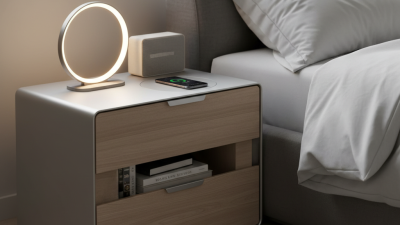
Best Night Stand Wood Options for Global Buyers?
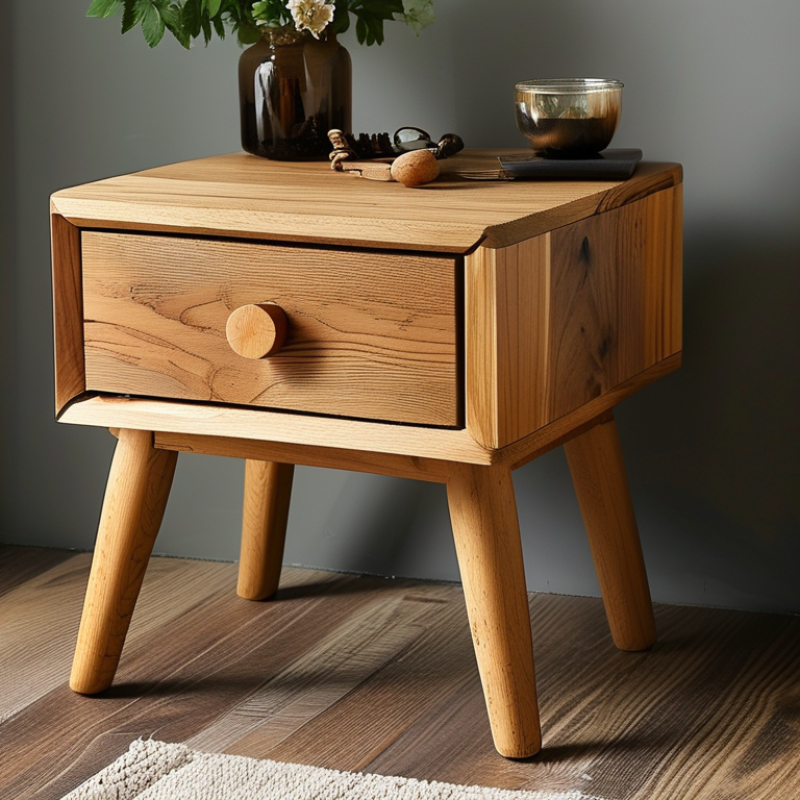
Choosing the right night stand wood can transform your bedroom. It is not just about aesthetics; functionality matters too. Various wood types offer unique advantages. For instance, oak is durable and adds a classic charm. Pine is lightweight and budget-friendly, making it popular.
Global buyers face different needs and preferences. Some seek eco-friendly options. Others desire rich colors and finishes. Understanding the specific qualities of these woods is essential. Exploring these options can lead to better decisions.
However, the perfection of a piece doesn’t come easily. Each wood type has its vulnerabilities. Scratches or fading may occur over time. Reflecting on these aspects can enhance your shopping experience. Embracing the journey and making informed choices is crucial in selecting the best night stand wood for your needs.
Best Types of Wood for Nightstands: A Comprehensive Overview
When choosing the best wood for nightstands, it's essential to understand the characteristics of different types. Solid woods like oak and maple are highly durable. They resist damage and wear over time. For a warmer look, cherry wood offers rich tones but may require more care. Plywood can provide a budget-friendly option, but it's often less sturdy.
Consider the style of your room as you select your wood. Lighter woods can brighten a space, while darker varieties create a cozy feel. Remember that aesthetics should also align with functionality. Different grains and finishes can affect overall user experience.
Tips: Always check the wood's finish for durability. A good sealant can protect against scratches. It’s also wise to evaluate your climate. Humidity levels can warp some wood types. Make informed choices to enhance the longevity of your nightstand.
Durability and Maintenance of Common Nightstand Woods
When selecting wood for nightstands, durability and maintenance are crucial factors. Common options include oak, pine, and walnut. Each type has unique properties that affect its longevity and upkeep. Oak is known for its strength and resistance to wear. It can handle scratches well. Pine, while softer, is more affordable and easy to work with. However, it requires regular maintenance to keep it looking fresh. Walnut, with its rich color and grain, often needs less care but is typically pricier.
Tips for maintaining wooden nightstands include using coasters to avoid water rings. Dust regularly with a soft cloth to prevent buildup. Consider applying a protective finish annually. This can help maintain the wood’s natural beauty and prolong its life.
While many prefer solid wood, remember that veneer options can also be appealing. They are often lighter and easier to maintain. Still, they may not last as long, and repairing them can be tricky. Each choice has its pros and cons, making it essential to evaluate your specific needs before making a decision.
Best Night Stand Wood Options for Global Buyers
Sustainability Trends in Wood Sourcing for Furniture Buyers
Sourcing wood for furniture is evolving. Sustainability is now a priority for many buyers. As awareness grows, suppliers are adopting better practices.
Wood from responsibly managed forests is popular. These forests maintain biodiversity and reduce carbon footprints. However, challenges remain in tracking the origins of wood. Some buyers may find it hard to know the true sustainability of their options. Transparency in the supply chain is crucial.
Reclaimed wood is becoming a trend. It offers a unique character while promoting recycling. Yet, not all reclaimed wood is equal. Some may contain harmful finishes or treatments. Buyers should ask questions and verify sources. Sustainable choices lead to beautiful, ethical furniture for homes.
Best Night Stand Wood Options for Global Buyers
| Wood Type |
Sustainability Rating |
Origin |
Durability |
Cost Range (USD) |
| Maple |
High |
North America |
Very Durable |
150 - 300 |
| Oak |
Moderate |
Europe & America |
Very Durable |
200 - 400 |
| Teak |
High |
Southeast Asia |
Very Durable |
400 - 1000 |
| Bamboo |
Very High |
Asia |
Moderately Durable |
100 - 250 |
| Cherry |
Moderate |
North America |
Moderately Durable |
250 - 500 |
Cost Analysis of Various Wood Options for Nightstands
When selecting wood options for nightstands, cost plays a significant role. Different types of wood vary widely in price. Softwoods, like pine, are generally less expensive. They are often favored by budget-conscious buyers. However, pine may not offer the durability that some buyers seek.
Hardwoods, such as oak and mahogany, present a higher price point. They are valued for their strength and longevity. A well-crafted oak nightstand can withstand daily use for decades. Still, the higher cost can be a hurdle for some consumers. It’s essential to balance aesthetics, durability, and expense when making a choice.
Additionally, recycled or reclaimed wood can be a cost-effective alternative. It often comes at a lower price and adds unique character. However, availability can be unpredictable. This may lead to longer search times and inconsistency in quality. Ultimately, each option has its pros and cons, requiring thoughtful consideration based on personal priorities.
Market Preferences: Top Nightstand Wood Choices Among Global Buyers
When exploring nightstand wood options, global buyers exhibit varied preferences based on aesthetics and functionality. Solid oak and maple are often favored for their durability. They offer a warm, classic look that complements different bedroom styles. Buyers appreciate their resistance to wear. However, sourcing such materials can be challenging and often raises sustainability concerns.
Pine is gaining popularity as a more affordable choice. It’s lightweight and easy to work with, making it an excellent option for DIY enthusiasts. However, buyers must consider its softer nature, which can lead to dents and scratches over time. Another notable option is reclaimed wood, which offers unique textures. Each piece tells a story, appealing to environmentally conscious consumers. But, this can come with unpredictability in quality and finish.
Global buyers also focus on finishes and stains. Natural finishes maintain the wood's character, while darker stains can offer a bolder statement. However, preferences vary widely across markets. Some may prefer a rustic look, while others lean towards minimalist designs. This diversity highlights the need for brands to adapt offerings to local tastes. Balancing customer desires with sustainability remains a critical challenge.