How to Choose the Best TV Stand for Your Living Room?
Choosing the right TV stand is crucial for any living room. According to recent industry reports, over 75% of homes have a television. A well-chosen TV stand enhances not just the aesthetic but also the functionality of the space. Many people overlook this detail, yet a TV stand can define a room’s style.
When selecting a TV stand, consider the size and weight of your TV. The stand must support it properly. Research shows that 40% of TV stands are too small or poorly designed. This can lead to potential damage or safety issues. Functionality matters too; storage solutions are essential for organizing media equipment.
Furthermore, a TV stand should complement the room's décor. It reflects personal style and serves a practical purpose. Yet, many individuals find it challenging to balance aesthetics and utility. A thoughtful choice can enhance your living space significantly. Assess your options, consider your needs, and don’t rush the decision-making process.
Factors to Consider When Selecting a TV Stand for Your Living Room
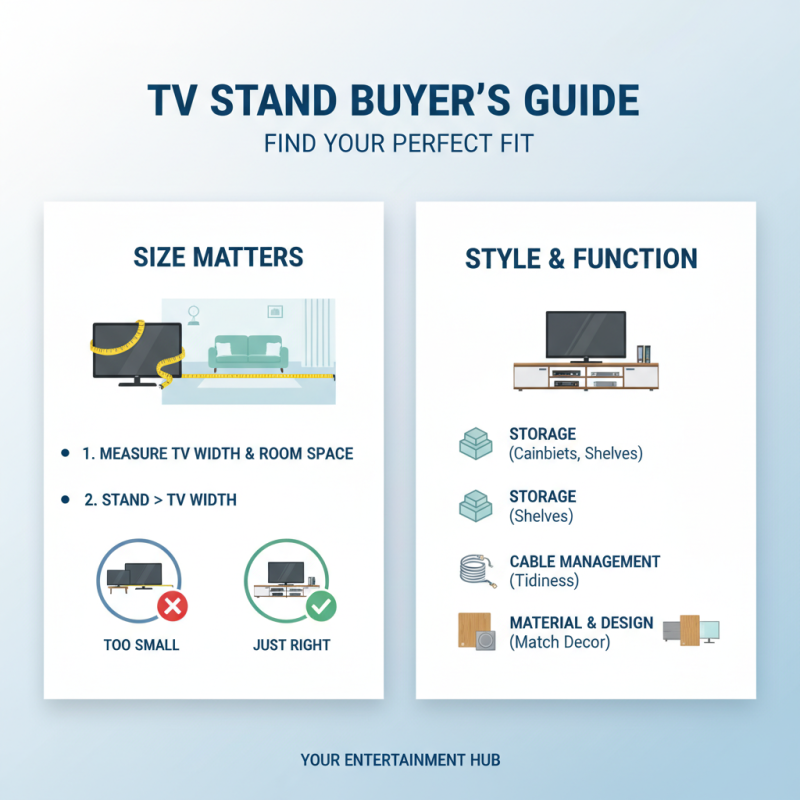
Choosing a TV stand requires careful thought. Size matters. Measure your TV and the space in your living room. Ensure the stand's width accommodates your TV comfortably. A small stand might look odd under a large screen. Conversely, an oversized stand can overwhelm a compact room.
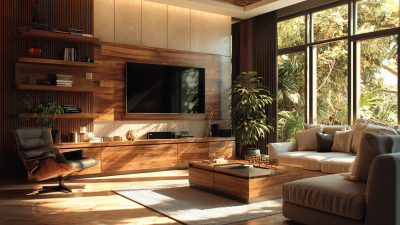
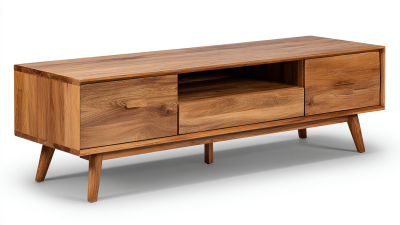
Material plays a key role as well. Wood offers warmth and elegance, while metal gives a modern touch. Remember that different materials have different maintenance needs. A glass surface may require frequent cleaning. Consider the overall decor of your living room. The stand should blend, not clash, with your existing furniture.
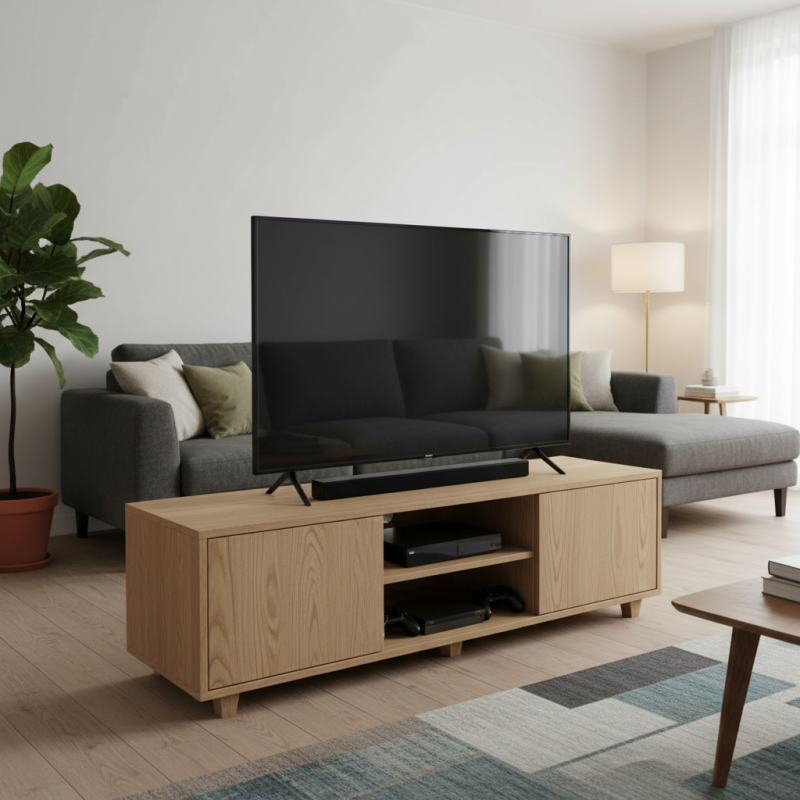
Storage options are another important factor. Do you need shelves for gaming consoles or decorative items? Open shelves may display your belongings beautifully, but they can also collect dust. Enclosed cabinets can hide clutter but limit visibility of your items. Finding the right balance can be tricky and might require some reflection on your priorities.
Understanding Different TV Stand Types and Their Features
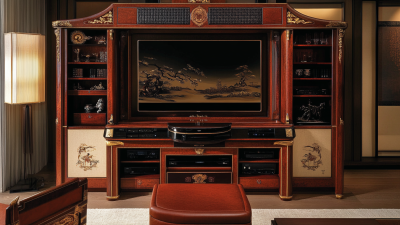
When selecting a TV stand, understanding the different types can greatly influence your choice. A traditional cabinet style provides hidden storage, which is great for clutter. It's ideal for smaller spaces where keeping items tucked away creates an open feel. However, you might find limited ventilation for electronic devices. Consider if this matters for you.
On the other hand, open shelving units offer easy access and showcase your entertainment gear. They allow for good airflow, but they also require consistent organization. Dust can accumulate quickly. For those who enjoy displaying books or decor, this style is a win. Yet, it may lead to distractions if not arranged carefully.
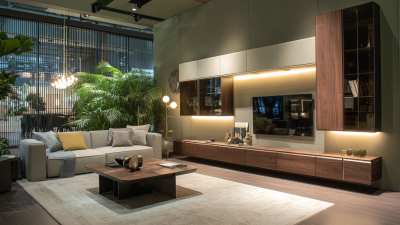
Lastly, consider wall-mounted TV stands that save floor space. They often include shelves beneath the TV. This can create a modern look but might require more effort in installation. It's important to examine wall strength and the type of mounts needed, which can be a risk if not done properly. Each option has its perks and challenges, so think about your lifestyle and how you want your living room to function.
Assessing the Right Size and Dimensions for Your Space and TV
Choosing the right size and dimensions for a TV stand can greatly influence your living room. Start by measuring your TV. Knowing its width and height helps determine the ideal stand size. Your TV should sit on a stand that offers enough support. Aim for stability, but also make sure it looks balanced in your space.
Consider the height of the stand as well. Ideally, the center of your TV screen should be at eye level when you are seated. A stand that is too tall or too short can make viewing uncomfortable. Don’t forget about the room’s dimensions; a large stand in a small space can feel cramped. Always maintain a flow in the room.
Think about additional elements too. Will there be room for accessories? You might want to include media players or gaming consoles. Ensure there is adequate space for these items. Reflect on your lifestyle needs. If you like to rearrange your furniture often, a versatile stand might be a practical choice.
TV Stand Size Comparison for Different TV Dimensions
Material Choices: Wood, Metal, or Glass and Their Impact on Durability
When choosing a TV stand, the material plays a key role.
Wood, metal, and glass each have unique qualities.
Wood offers warmth and a classic look.
It can be painted or stained, allowing for many styles. However, wood can scratch easily and requires care.
When exposed to moisture, it may warp.
Metal is sturdy and modern. It often features clean lines and sleek designs.
Metal stands can hold heavier TVs. But they can rust in humid environments if not properly coated.
Glass provides an elegant aesthetic. It creates an illusion of space.
Yet, it can be fragile and may not withstand heavy use.
Consider your living room's overall décor. Choose a material that complements your style.
Think about durability based on your lifestyle. If you have kids or pets, a sturdy wood or metal stand may be wise.
If you prefer something light and airy, glass might appeal to you.
Reflect on your daily life and how a stand will fit into it.
Evaluating Additional Features: Storage Options and Cable Management Solutions
When selecting a TV stand, storage options are crucial. A stand with multiple shelves can help organize devices like gaming consoles and cable boxes. Open shelves allow easy access while showing off your devices. However, they can gather dust quickly. Consider how often you will clean. Enclosed cabinets provide a neat appearance but may restrict airflow, potentially overheating your devices.
Cable management solutions are essential in a stylish living room. Look for stands with built-in channels for hiding cords. This prevents a tangled mess that can ruin your decor. Some designs even offer removable back panels for easier access. Yet, if not properly planned, cables can still become a hassle. Take time to assess your setup. Will all your devices fit? Will cords blend in or stand out? Thoughtful planning can turn chaos into order.