How to Choose a Nordic Coffee Table for Global Buyers?
Choosing a Nordic Coffee Table for global buyers involves more than selecting a pale wooden surface. It requires careful attention to proportion, materials, craftsmanship, and shipping conditions. A well-designed table should support daily life while fitting different interiors, from compact apartments in Tokyo to open-plan homes in Toronto. Its clean lines can look simple, but simplicity often demands precise joinery and consistent finishing.
Experienced buyers usually check the tabletop thickness, leg stability, edge treatment, and moisture resistance. Solid oak may offer warmth and durability, while veneer can reduce weight and cost when properly constructed. Ask suppliers for material details, product dimensions, packaging photos, and test reports. FSC-certified wood, low-emission finishes, and responsible factory practices can strengthen purchasing confidence. These details matter.
Small details matter.
Global logistics also deserves close review. Confirm carton dimensions, assembly instructions, replacement-part policies, and delivery terms before placing an order. A beautiful table can become a poor investment if its corners arrive damaged or its finish differs from the approved sample. I have seen product descriptions promise “premium quality” without defining it clearly. That wording should invite questions, not automatic trust. Buyers should compare samples, inspect production consistency, and request realistic lead times. Even experienced purchasers can overlook floor protection or regional packaging needs. This guide examines those practical decisions, helping buyers choose a Nordic Coffee Table that balances Scandinavian style, dependable performance, and commercially sensible value.

Define Nordic Coffee Table Design and Its Key Characteristics
How to Choose a Nordic Coffee Table for Global Buyers?
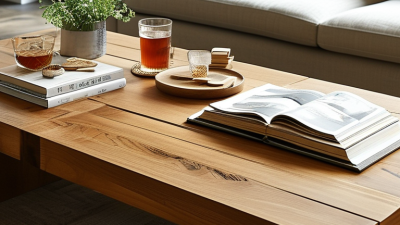
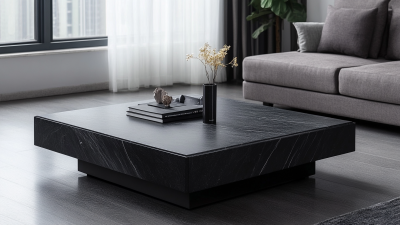
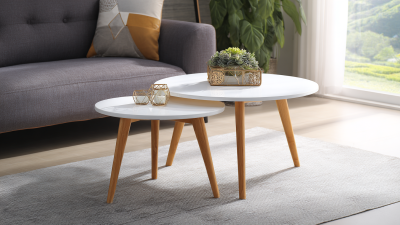
Nordic coffee table design combines practical use with quiet visual balance. Its form is usually clean, compact, and easy to live with. Common features include pale wood, matte finishes, tapered legs, rounded corners, and open space beneath the tabletop. These details support Nordic ideas of light, comfort, and everyday function. The style is not simply “white and wooden.” That interpretation is too narrow and often produces generic products.
Material honesty matters. Solid wood shows grain variation, while veneer improves dimensional stability and cost control. A professional sourcing review should check edge quality, joint strength, coating safety, and moisture resistance. CSIL’s World Furniture Outlook 2024 valued global furniture consumption above US$1.5 trillion in 2023. This scale increases competition, but it also raises buyer expectations for durability and traceable materials. Dimensions require equal care. A 90–110 centimetre table may suit many living rooms, yet sofa height and shipping limits can change the decision. Nordic design feels simple. It is not always simple to manufacture.
Tips: Request a full material specification, dimensional drawing, and load-test record. Check whether the finish resists coffee rings and warm cups. Ask for packaging measurements before confirming volume orders. FSC-certified wood can support responsible sourcing, but certification details still need verification. I would also inspect prototypes under natural light. Some pale finishes appear elegant online, but look cold in real rooms. That is a useful imperfection to catch early.
How to Choose a Nordic Coffee Table for Global Buyers?
Nordic coffee table design is defined by functional simplicity, clean lines, natural materials, soft edges, and a visually light appearance. The dimensional ranges below provide a practical reference for evaluating proportions across different living spaces.
Typical planning ranges: compact tables suit smaller rooms, while wider and deeper tables provide more surface area for larger seating arrangements. A lower height generally supports the relaxed, uncluttered visual character associated with Nordic interiors. These are reference ranges rather than mandatory international standards.
Compare Materials, Finishes, and Construction Quality
For global buyers, a Nordic coffee table should look calm but perform under daily stress. Start with the material. Solid ash or oak offers visible grain, repairability, and strong screw retention. Veneered panels can be stable and economical, but inspect edge sealing carefully. Poorly sealed edges may swell after one wet glass.
Material transparency matters.
The FAO’s Global Forest Resources Assessment 2020 reports that forests cover about 31% of global land area. Buyers should request species information, legal sourcing evidence, and moisture-control details. Recycled wood may reduce resource pressure, yet inconsistent density can affect machining quality. It is not automatically better.
Finish & maintenance
Finish changes both appearance and maintenance. Water-based coatings usually create lower odor during production and preserve a lighter Nordic appearance. Oil finishes feel warmer, but they need periodic care and show marks sooner. Ask for abrasion, stain, and moisture test results, not attractive photographs. The 2023 Circularity Gap Report estimated that only 7.2% of the global economy was circular, which makes repairable construction worth examining.
Construction quality is found underneath.
Check mortise-and-tenon joints, concealed fasteners, level feet, and uniform panel thickness. A table should not wobble when pressed at one corner. I once trusted a perfect showroom sample and overlooked a weak leg joint. That was a useful mistake. Packaging also matters. Export units need corner protection, humidity barriers, and clear assembly instructions. Small details decide whether a table arrives ready for a real home.
Select Reliable Suppliers and Check Global Shipping Requirements
How to Choose a Nordic Coffee Table for Global Buyers?
A reliable supplier should provide more than attractive product photos. Request material details, moisture content, dimensions, load capacity, and finish specifications. Solid wood, veneer, and engineered board require different care during transport. Ask for a production sample before placing a large order. Check its leg stability, surface consistency, and edge finishing by hand. Small defects become expensive when thousands of kilometers away. A factory audit, video inspection, or independent quality report can reveal useful details. Supplier communication matters too. Clear answers usually reduce later disputes.
Global shipping requires careful preparation. Confirm the correct HS code with a customs broker before booking freight. Wooden packaging may need ISPM 15 treatment and proper marking. Requirements can differ by destination. Do not assume one document works everywhere. Request commercial invoices, packing lists, certificates of origin, and insurance terms when applicable. Confirm whether the quotation includes export handling, ocean freight, duties, taxes, and final delivery. Incoterms must be written clearly, not discussed casually.
Packaging deserves close attention. Use corner protectors, moisture barriers, and internal supports around the tabletop. Ask for carton dimensions and gross weight to estimate container space accurately. A drop test is useful, but it cannot copy every real shipping condition. I have seen cost calculations fail because port charges were overlooked. A cheaper supplier may still create a higher landed cost. Reliable sourcing is rarely perfect. Leave time for customs delays, damaged cartons, and one uncomfortable question: what happens when the table arrives late or broken?