How to Choose the Perfect Minimalist Center Table for Your Space?
When searching for the perfect Minimalist Center Table, many factors come into play. A center table can define the entire room's aesthetic. It balances functionality with style. Choosing the right design is crucial for a cohesive look.
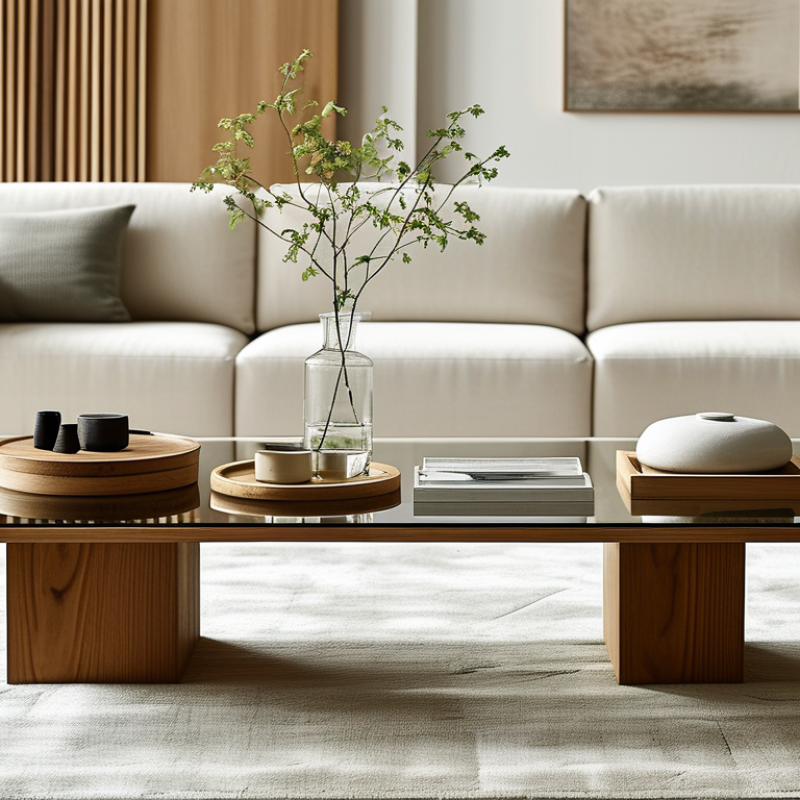
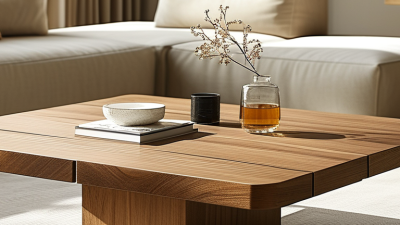
Your Minimalist Center Table should reflect your personality. Consider the materials, colors, and shapes that resonate with you. A simple glass top can bring elegance while a wooden piece adds warmth. Measure your space carefully. Oversized tables can overwhelm a small room. Conversely, a tiny table may get lost in a larger setting.
It is essential to reflect on practicality as well. Storage options can keep your living area tidy. Sometimes, a sleek design might sacrifice utility. Finding the right balance can be challenging. Remember, a Minimalist Center Table should not only beautify the space but also serve your daily needs.
Identifying Your Space Requirements for a Minimalist Center Table
Choosing a minimalist center table requires careful consideration of your space. The dimensions of your room play a crucial role. According to the American Institute of Architects, an ideal clearance is about 18 inches between the table and surrounding seating. This ensures ease of movement. A coffee table that is too large can overwhelm a small space. Conversely, one that is too small may appear lost.
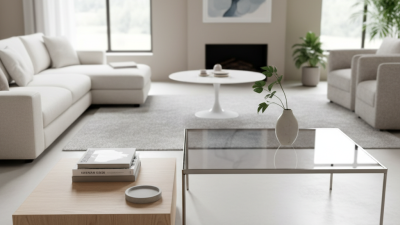
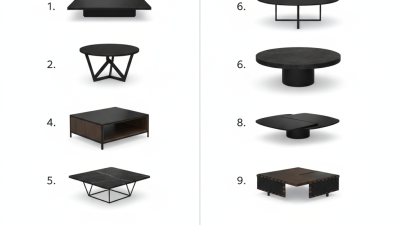
Evaluate not just the dimensions, but also the layout. A square table might suit a sectional sofa, while a round table can soften a room with straight lines. The National Association of Homebuilders reports that open floor plans are increasingly popular. In such spaces, transparency and simplicity in furniture choice can enhance both functionality and aesthetic appeal.
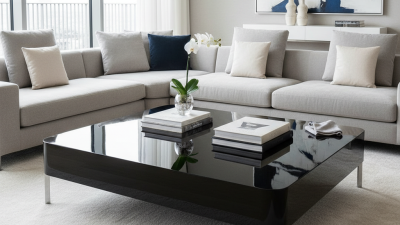
Lighting is another critical factor. A well-lit area can influence your choice of material and color. Light wood tones can lighten a room, while darker hues add drama. Minimalist designs often rely on natural materials. They create harmony and can elevate the ambiance. Remember to reflect on how your lifestyle influences your choice. An elegant design might look nice, but practicality is essential for everyday use.
Choosing the Perfect Minimalist Center Table: Key Space Considerations
Understanding Different Material Options for Center Tables
When selecting a minimalist center table, considering material options is key. Different materials bring unique aesthetic and functional qualities to your space. For instance, solid wood offers warmth and strength. The natural grains enhance visual appeal, creating an inviting atmosphere. However, it can be susceptible to scratches and moisture, which may require regular maintenance.
Metal tables present a sleek, modern look. They are durable and often lighter than wood. However, they can be prone to rust if not properly treated. A study by the American Furniture Manufacturers Association indicates that 45% of consumers prefer metal finishes for contemporary settings. Meanwhile, glass tables can visually open up a room, making spaces feel larger. They are easy to clean and maintain but can be fragile, posing safety concerns for families with young children.
Ultimately, it’s essential to balance aesthetics, durability, and maintenance. Evaluate your lifestyle needs and the demands of your living space. Reflect on how often you entertain guests. If you frequently host, a more durable option may be wise. Consider how each material interacts with your environment and lifestyle. The perfect center table should enhance your space while complementing your daily life.
Evaluating Size and Proportions for Your Living Space
When selecting a minimalist center table, size and proportions are crucial for a harmonious living space. The ideal dimensions should complement the room’s layout and furniture. According to a study by the American Society of Interior Designers, tables should have a height of 16 to 18 inches lower than the sofa seat. This ensures easy access and maintains visual flow. A common rule of thumb is that the coffee table should occupy about two-thirds of the sofa's length to maintain balance.
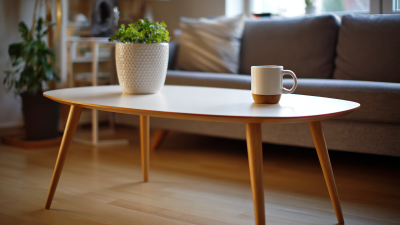
Evaluating available space is essential. Measure the area where the table will be placed, leaving at least 18 inches of walking space around it. In smaller rooms, round tables can create a sense of openness. Conversely, rectangular tables suit larger spaces well, as they can anchor multiple seating areas. Relying solely on standard measurements can be misleading, as personal preferences and existing decor significantly influence the right fit.
Consider the materials and design as well. A heavier table might dominate a small space, while a lightweight table can be sidelined in a large area. Assessing proportions isn't just geometrical; it’s about how the table feels in context. It may take several attempts to find the right balance in your unique space, and that’s perfectly acceptable. Embrace the journey of trial and error to achieve the perfect minimalist aesthetic.
Exploring Design Aesthetics for Minimalist Center Tables
Choosing a minimalist center table can transform your living space. Design aesthetics play a critical role in this decision. A well-designed table is more than just functional. It serves as a focal point, enhancing the overall look of your room. Clean lines and simple shapes define minimalist design. Consider how these elements interact with your space.
Pay attention to materials. Wood, glass, and metal are popular choices. Each material brings a unique character. For instance, a glass table can create an illusion of more space. But be aware: it can also show fingerprints easily. If you choose wood, look for grains that add texture. This contrast can make a table feel more inviting.
When selecting color, think about your existing decor. Neutral colors blend well but may lack personality. Adding an accent color can make a bold statement. Consider the size of your room—too large a table can overwhelm the space. A smaller table may not serve your needs. Balance is crucial, and that often needs reflection. Evaluate your choices carefully. A great table should fit seamlessly into your lifestyle while enhancing your aesthetic.
Setting a Budget for Your Perfect Center Table Selection
When selecting a minimalist center table, setting a budget should be your first step. Consider what you can realistically afford without sacrificing quality. A budget gives you a framework to look within. It helps narrow down your choices, making the selection process more manageable. For instance, tables can range from a couple of hundred to thousands of dollars. Knowing your limit helps you avoid impulse buys that lead to regret later.
Evaluate the materials and craftsmanship. A lower-priced table may look appealing but could lack durability. Pay attention to finishes, wood quality, and overall design. Some cheaper options might wear out quickly or not match your aesthetic. Balance price with reliability. You want a piece that enhances your living space and lasts over time, rather than a trendy item that may become outdated.
In addition, think about the table's functionality. Do you need extra storage or a unique shape? Understand that some features can increase the cost. For example, tables with built-in storage often come at a premium. Reflect on what you truly need versus what looks good. This thoughtful approach allows you to find a perfect minimalist center table that fits your budget while meeting your design needs.
How to Choose the Perfect Minimalist Center Table for Your Space? - Setting a Budget for Your Perfect Center Table Selection
| Table Type |
Material |
Price Range (USD) |
Dimensions (L x W x H) |
Style |
| Coffee Table |
Wood |
200 - 500 |
45 x 24 x 18 inches |
Modern |
| End Table |
Metal |
50 - 150 |
20 x 20 x 24 inches |
Industrial |
| Rectangular Table |
Glass |
300 - 700 |
60 x 30 x 18 inches |
Contemporary |
| Console Table |
Plastic |
80 - 200 |
40 x 12 x 30 inches |
Minimalist |
| Nested Tables |
Wood & Metal |
150 - 400 |
Various Sizes |
Eclectic |