What is a Floating Nightstand and How to Choose One?
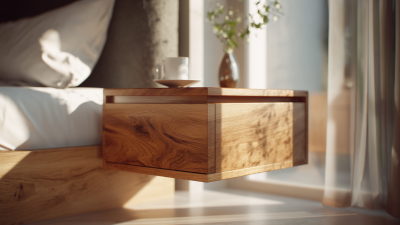
In the world of modern interior design, the "Floating Nightstand" has become increasingly popular. This unique piece offers both style and functionality. Expert designer Sarah Thompson states, "A floating nightstand elevates any space, creating an illusion of more room." This sentiment resonates with many who seek innovation in their bedroom decor.
Choosing a floating nightstand can be daunting. Options vary greatly in design, materials, and size. It is essential to consider the aesthetics of your room. Additionally, the nightstand must be practical for your needs. Sometimes, an overly trendy option may not fit your space well. Reflecting on your actual requirements is vital.
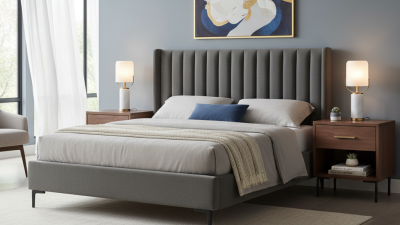
The right floating nightstand can transform your bedroom. It should complement your bed and room decor without overwhelming the space. However, the challenge lies in balancing style with usability. Taking your time to explore various designs will lead to a more satisfying choice. Remember, a floating nightstand should enhance your experience, not complicate it.
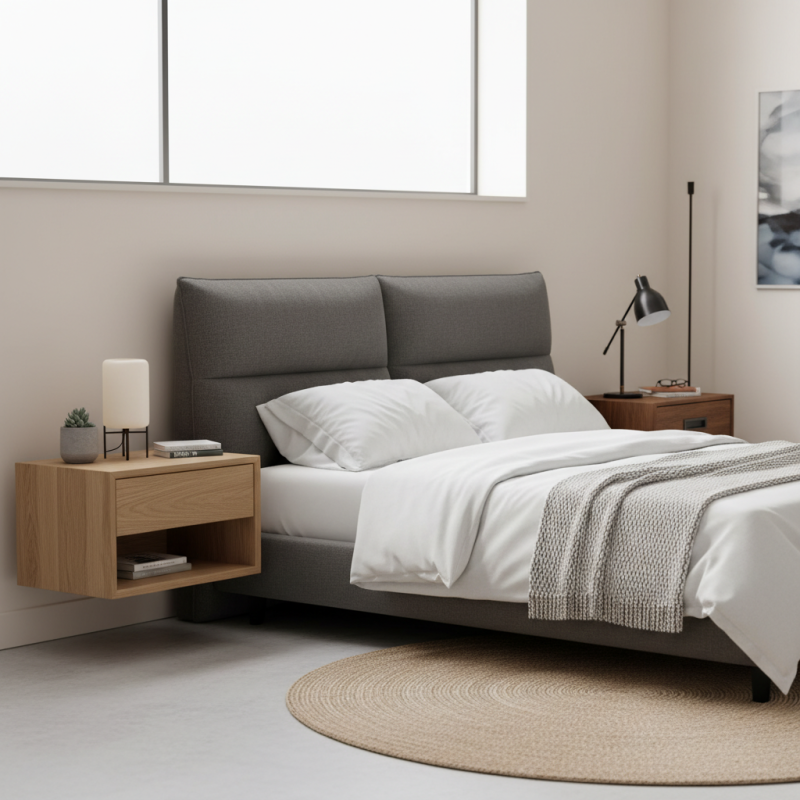
Understanding the Concept of a Floating Nightstand in Modern Design
A floating nightstand is a contemporary design element that elevates both aesthetics and functionality in modern bedrooms. Unlike traditional nightstands, these pieces are mounted to the wall, creating a clean, minimalist look. This design choice maximizes floor space, which is crucial in smaller rooms. According to a survey by the American Society of Interior Designers, 76% of designers note that space-saving elements are key in modern homes.
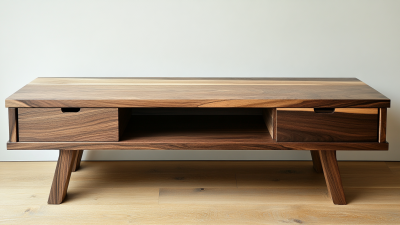
Choosing the right floating nightstand involves more than just style. Consider the height and size in relation to your bed. Generally, nightstands should be level with your mattress or slightly lower. Pay attention to material as well; wood offers warmth, while metal can bring an industrial feel. A 2023 market report revealed that wood remains the most popular choice in nightstand manufacturing, favored for its durability and aesthetic appeal.
Tips: When selecting a floating nightstand, look for models with integrated storage options. This can help minimize clutter and maintain a tidy environment. Additionally, ensure proper installation, as incorrect mounting can lead to damage or unsafe use. Opt for simple designs that complement your existing decor without overwhelming the space.
What is a Floating Nightstand and How to Choose One?
| Feature |
Description |
| Design |
Modern, minimalistic, often wall-mounted to save floor space. |
| Material |
Commonly made from wood, metal, or composite materials. |
| Storage |
Typically includes one or two open shelves or drawers. |
| Mounting |
Requires wall installation; must be mounted securely to support weight. |
| Style |
Compatible with various interior styles, including contemporary and rustic. |
| Color Options |
Available in a variety of colors to match personal preference and decor. |
| Height |
Installed at a customizable height for convenience and accessibility. |
Key Features and Benefits of Floating Nightstands for Small Spaces
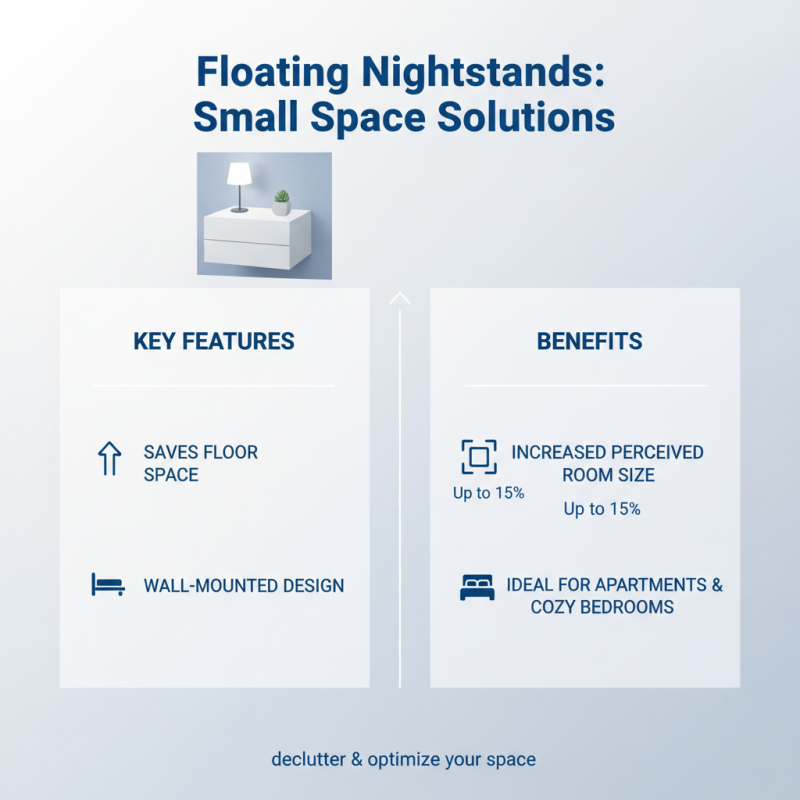
Floating nightstands are innovative solutions tailored for small spaces. Their design saves floor area while providing functionality. According to space optimization reports, using wall-mounted nightstands can increase perceived room size by up to 15%. This makes them ideal for apartments and cozy bedrooms where every inch counts.
One key feature of floating nightstands is their ability to offer storage without cluttering the floor. Many designs include shelves or drawers, creating a place for books, lamps, or personal items. This adds convenience, especially for minimalist designs that prioritize sleek aesthetics. A study by the Furniture and Furnishings Association noted that 70% of small space dwellers reported improved organization after integrating wall-mounted furniture into their homes.
There are aspects to ponder when selecting a floating nightstand. Weight capacity is crucial; some may not support heavier items like large lamps. Aesthetics and function should align with your decor vision. Being mindful of materials is essential. Not all floating nightstands can withstand the test of time, especially those made from less durable materials. Exploring different options and understanding your space is vital for achieving a harmonious balance.
Materials and Finishes: Choosing the Right Composition for Durability
When selecting a floating nightstand, the choice of materials greatly impacts durability and aesthetics. Common materials include plywood, MDF, and solid wood. According to industry reports, solid wood remains the most durable option, with a lifespan of over 20 years when properly maintained. However, it can be more susceptible to warping in humid environments.
MDF, on the other hand, offers a cost-effective choice. It often features a smooth surface for finishes, yet it may absorb moisture. This can lead to damage over time. Research shows that 60% of consumers prioritize aesthetics over durability, which brings challenges. Choosing materials solely based on appearance may result in short-lived furniture.
Finishes also play a critical role in the longevity of floating nightstands. High-quality varnishes and sealants can enhance water resistance. However, not all finishes provide equal protection. Some are prone to scratches, which diminishes appearance quickly. In a 2022 survey, 45% of furniture buyers regretted their finish choice after observing wear and tear. Hence, it’s important to consider both style and functionality when making a decision.
Sizing and Height Considerations for Optimal Floating Nightstand Placement
When choosing a floating nightstand, sizing and height are crucial considerations. The ideal height for a nightstand typically matches the top of your mattress. This alignment creates a harmonious and functional space. Measure your mattress height before selecting a nightstand. Many designers recommend leaving about 1-2 inches of space between the mattress and nightstand surface. This small gap can improve accessibility.
Depth and width also play roles in functionality. A nightstand should not overwhelm your bed or room. Look for dimensions that complement your bed size. Opt for a width of at least 20 inches. This provides enough surface area for essentials without crowding the space. It’s important to visualize the placement. Consider the distance between the nightstand and adjoining walls or furniture.
Avoiding clutter is key. An overly large nightstand can lead to disorganization. Reflect on the items you truly need at arm's reach. If you're an avid reader, ensure there's enough space for books or a reading lamp. Choosing a floating nightstand should be a balance between style and practicality. Prioritize measurements to create a comfortable and appealing bedside arrangement.
Expert Tips on Styling and Accessorizing Your Floating Nightstand
A floating nightstand can transform your bedroom. Its minimalist design creates an airy feel, making the space look larger. When styling your nightstand, think about both functionality and aesthetic. You want it to be practical while also reflecting your personality.
Start by choosing a color scheme that complements your room. Neutral tones can create a calming effect. A pop of color through accessories can add energy and vibrancy. Consider using a small plant or a scented candle for a touch of nature. These elements bring warmth and a personal touch to the space.
Don’t overcrowd the surface. A few carefully selected items work best. A book or your favorite mug can serve as both decoration and utility. Reflect on how you use the nightstand daily. This balance is essential for both style and function. Remember, less can often be more in design, but allowing for personal quirks adds character.