Modern Coffee Table Trends at China Import and Export Fair?
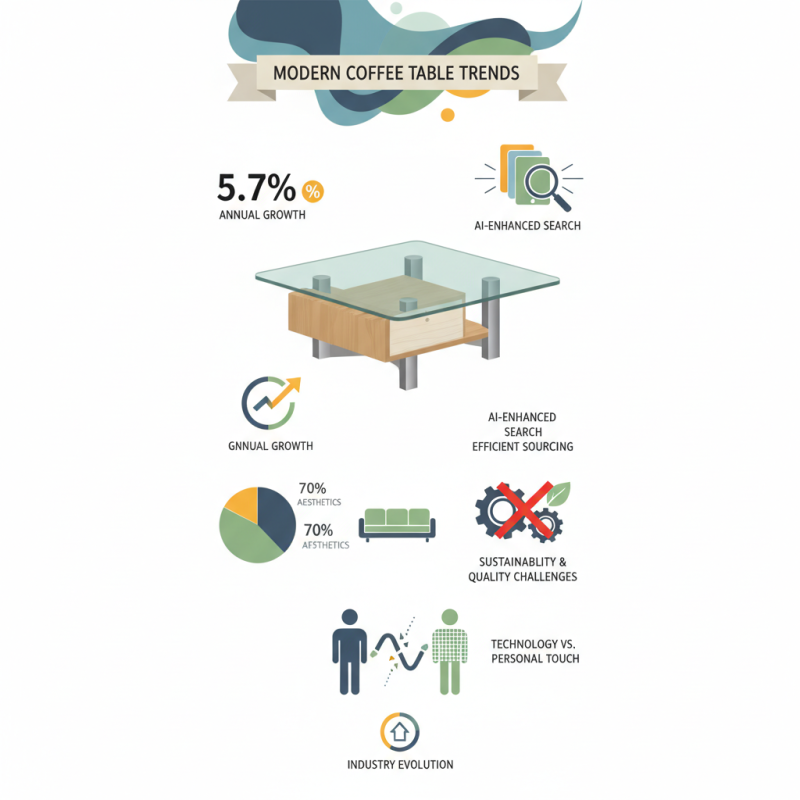
The China Import and Export Fair is a vital platform for discovering Modern Coffee Table trends. It showcases a wide variety of styles and designs, appealing to both consumers and businesses. According to market research from Euromonitor, the global furniture market is expected to grow by 5.7% annually, driven partly by innovative coffee table designs that reflect modern lifestyles.
Modern Coffee Tables have evolved significantly. They now come in various shapes, materials, and functionalities that blend art with practicality. Data from the National Retail Federation highlights that 70% of consumers prioritize aesthetics when purchasing furniture. Despite these trends, some products still struggle with sustainability and quality control, impacting brand reputation.
At the upcoming fair, advanced technologies like AI will enhance the buyer experience. This innovation allows for the efficient search of suppliers offering accredited products. However, reliance on technology may present challenges, such as losing the personal touch in customer relationships. Addressing these imperfections will be crucial for the industry’s evolution and success.
Emerging Design Aesthetics in Modern Coffee Tables at Trade Fairs
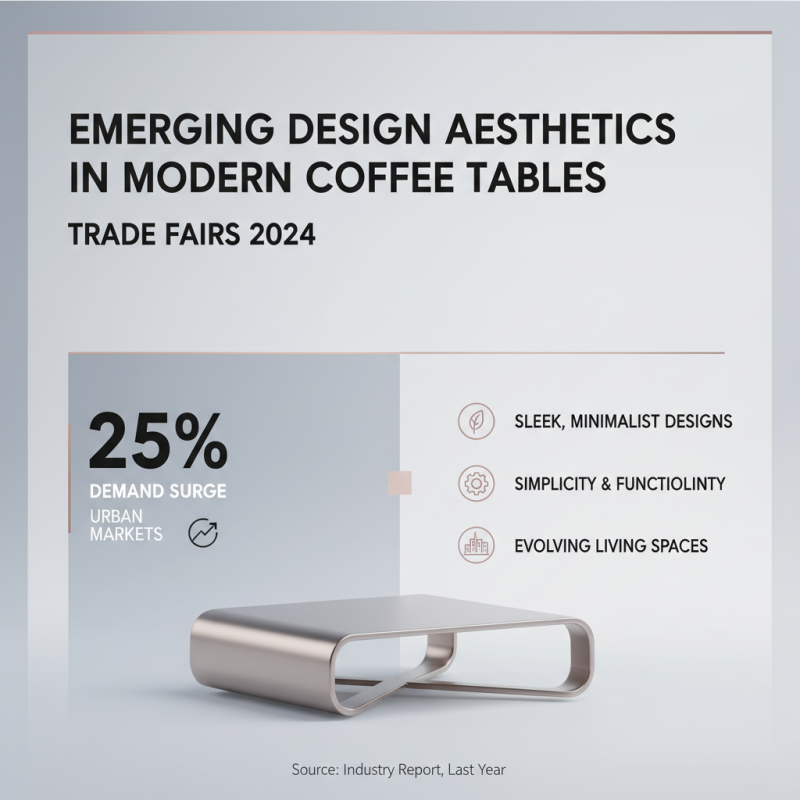
The modern coffee table market is evolving. Emerging design aesthetics are redefining these central pieces in living spaces. For instance, sleek, minimalist designs are gaining popularity, reflecting a shift towards simplicity and functionality. According to a recent industry report, the demand for modern coffee tables has surged by 25% over the past year, especially within urban markets.
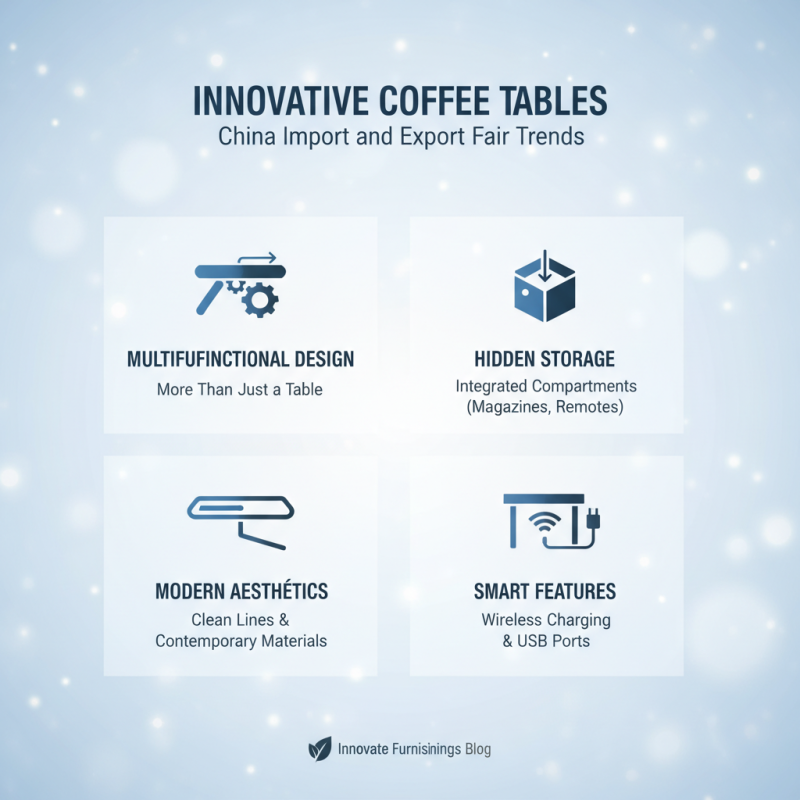
Trade fairs are showcasing innovative ideas that challenge traditional norms. Geometric shapes, unconventional materials, and multifunctional designs dominate the showcases. Consumers are increasingly seeking tables that do more than just hold coffee cups. Tables with built-in storage or smart features are trending. However, this push for innovation sometimes overlooks the importance of craftsmanship. Some designs may sacrifice durability for aesthetic appeal.
Moreover, sustainability is becoming a key consideration. Buyers show interest in eco-conscious materials, yet many designs still rely on less sustainable options. It's vital to find a balance between aesthetics and environmental impact. While trends move quickly, understanding consumer preferences is crucial for lasting success in the market. As trends evolve, manufacturers must adapt while ensuring quality remains a priority.
Key Materials and Craftsmanship Trends for Coffee Tables in 2023
In 2023, coffee table trends at the China Import and Export Fair reflect a shift towards sustainable materials. Reports indicate that over 40% of exhibitors focus on eco-friendly options like bamboo and reclaimed wood. These materials not only reduce environmental impact but also appeal to consumers seeking unique aesthetics. Each piece tells a story, enhancing the overall design.
Craftsmanship is another key aspect shaping these trends. Artisans are reviving traditional techniques, blending them with modern designs. This fusion adds character and depth to coffee tables, making them conversation starters. However, some challenges arise. The demand for handmade items often leads to inconsistencies in quality. Consumers frequently wonder if they receive a truly unique piece or a production anomaly.
Color trends also deserve attention. Neutral tones dominate, but pops of bold colors emerge, influenced by global design trends. Intriguingly, a survey found that 30% of buyers prefer vibrant accents in their decor. Yet, finding the right balance can be tricky. An overly bold choice may overshadow other decor elements, causing discord in a room’s overall design.
Innovative Features and Functionalities of Coffee Tables on Display
The China Import and Export Fair showcases innovative coffee table trends that capture modern aesthetics. Exhibitors highlight unique functionalities, transforming traditional tables into multifunctional pieces. Imagine a coffee table that also serves as a storage unit. Clever designs integrate hidden compartments for magazines or remote controls.
Many coffee tables now feature adjustable heights. This functionality accommodates both lounging and dining. Some designs include built-in charging ports, blending technology with furniture. These features cater to the modern lifestyle, where convenience is key.
**Tip:** When selecting a coffee table, consider its practicality in your space. Measure the area to ensure it fits well.
Another trend involves sustainable materials. Reclaimed wood and eco-friendly surfaces attract attention. This shift reflects an increasing awareness of our environmental footprint. However, not all designs balance sustainability with durability.
**Tip:** Look for certifications that ensure materials are responsibly sourced. This adds value and conscience to your purchase.
Cultural Influences in Coffee Table Designs at the China Import Fair
Coffee tables have become more than just functional pieces; they reflect cultural influences. At the China Import and Export Fair, unique designs draw attention. Traditional Chinese motifs often appear. Some tables feature intricate carvings or elegant lacquer finishes. Such details tell stories of heritage and craftsmanship.
Modern coffee tables also embrace global inspirations. Minimalism from the West mixes with Eastern aesthetics. The result is a fusion that appeals to diverse markets. However, this blend raises questions. Does it dilute cultural significance? Or does it create a new identity?
Sizes and shapes vary greatly. Some tables are low and wide, ideal for gatherings. Others are tall and sleek, fitting into modern apartments. Material choices include wood, glass, and metals, each with a different narrative. Yet, not all designs resonate with consumers. Trends shift quickly, leaving some styles overlooked. Perhaps designers need to reflect on authenticity, ensuring each piece carries its intended meaning.
Market Predictions and Consumer Preferences for Coffee Tables Moving Forward
As we look towards the future of coffee table trends, consumer preferences are evolving. A recent report indicates that 65% of consumers prefer multifunctional designs. These tables are not only stylish but also serve practical purposes. Foldable, storage-inclusive options are gaining traction.
People are prioritizing sustainability. Data shows that 50% of buyers are willing to pay more for eco-friendly materials. Bamboo and reclaimed wood are becoming popular choices. These materials provide a unique aesthetic while reducing environmental impact.
Tips: Consider your space before purchasing. Choose a table that complements your decor and offers useful features. Evaluate whether you need additional storage or versatility. Small adjustments can enhance functionality greatly. Always remember, a thoughtful choice can reflect your personal style while catering to practical needs.