Living room design is changing as households seek comfort, flexibility, and responsible value. The latest Living Room Furniture trends reflect smaller homes, hybrid work, and stronger interest in sustainable materials. Sofas are becoming deeper and more modular, while rounded coffee tables soften rooms filled with sharp screens and shelving. Storage now works harder, with lift-top tables, wall units, and benches hiding everyday clutter.
This guide examines ten practical trends shaping modern living spaces. It considers how boucle, natural wood, recycled fabrics, and warm neutral colors perform in real homes. It also explores curved seating, multifunctional furniture, statement lighting, and compact layouts. These choices can improve comfort, but fashionable does not always mean useful. A pale fabric sofa may look calm in a showroom, yet children, pets, and frequent guests can quickly test its limits.
Material quality, joinery, cleaning needs, and room measurements deserve equal attention. Industry guidance and experienced interior professionals often recommend checking frame construction, cushion support, fabric durability, and product warranties before buying. Small details matter. A sofa that blocks a doorway is still a poor choice, regardless of its appearance.
The trends ahead offer inspiration, not strict rules. Some may feel overused within a year. Others could remain valuable because they solve genuine household problems. By comparing appearance with function, readers can choose furniture that feels current, comfortable, and dependable. The best room is not merely photogenic. It supports real routines, imperfect habits, and changing needs.
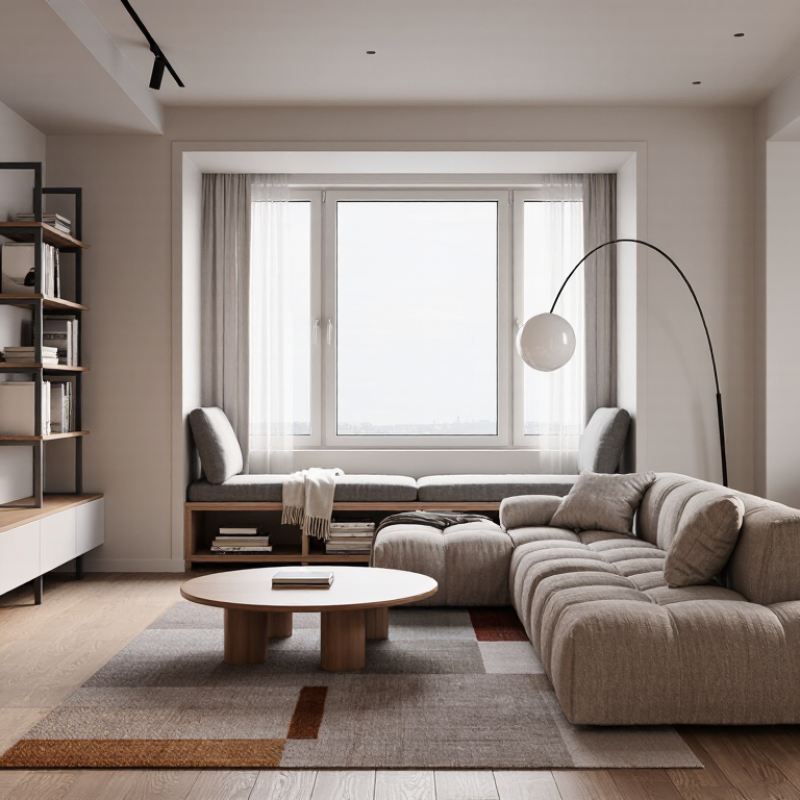
Modern living rooms are becoming softer, calmer, and more adaptable. The strongest designs combine curved sofas, low-profile chairs, nesting tables, and modular seating. These shapes improve movement around coffee tables and reduce visual clutter. Natural wood, linen, wool, and textured upholstery add warmth without excessive decoration. Earthy colors, including clay, olive, sand, and deep brown, support a more relaxed atmosphere.
According to Grand View Research, the global home furniture market was valued at about $516.66 billion in 2023. It is projected to grow at roughly 5% annually through 2030. This growth reflects demand for functional, durable, and visually flexible furniture. The 2024 U.S. Houzz & Home Study reported median renovation spending of $24,000 in 2023. That figure suggests homeowners are carefully prioritizing rooms used every day. Storage benches, lift-top tables, and slim cabinets answer that need.
A practical showroom test is simple: sit, stretch, and reach for the table. Comfort should remain reliable, not merely photogenic. Performance fabrics, removable covers, and rounded edges are increasingly important for busy households.
Multifunctional pieces also support smaller apartments and changing routines. However, not every trend deserves permanent space. Overusing beige can make a room feel unfinished, while too many curves may reduce useful seating.
I would mix one expressive chair with quieter, durable foundations. The result feels current, but still personal.
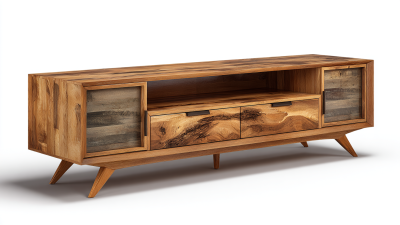
What Are the Top 10 Living Room Furniture Trends?
Natural materials are shaping today’s living rooms. In my experience, reclaimed wood adds warmth without looking overly polished. Rattan chairs, cork tables, and woven grass baskets bring visible texture. Linen sofas feel breathable, while wool cushions offer softness during colder evenings. These materials also age with character. That matters.
The leading ten trends include modular seating, rounded edges, low-profile sofas, multifunctional storage, and repaired vintage furniture. Sustainable choices complete the picture. Look for responsibly sourced timber, recycled fabrics, durable joinery, and removable covers. A sofa that can be repaired may create less waste than one made from cheaper materials. Check the product details carefully. Vague claims deserve questions.
Still, natural furniture is not automatically sustainable. Imported materials may involve long transport distances. Some finishes can also release unpleasant odors indoors. I have learned that durability matters more than a fashionable label. A small solid-wood table may serve longer than a large disposable piece. That choice can feel less exciting. It may be wiser. Consider your room’s sunlight, humidity, and daily use before buying. Scratches, loose threads, and uneven textures are not always defects. Sometimes, they show honest materials and real life.
| No. | Furniture Trend | Preferred Materials | Sustainability Benefit | Key Characteristics | Practical Care Tip |
|---|---|---|---|---|---|
| 1 | Solid Wood Seating and Tables | Oak, maple, ash, walnut, and other durable hardwoods | Long service life can reduce the need for frequent replacement; repairable wood components may extend product use. | Warm grain, strong construction, timeless appearance | Use coasters, avoid prolonged moisture, and follow the maker’s recommended finish care. |
| 2 | Rattan and Woven Furniture | Rattan, wicker, cane, bamboo, and natural fiber cord | Plant-based materials can provide a lightweight alternative to heavily processed furniture components. | Open texture, low visual weight, handcrafted feel | Keep away from excessive humidity and vacuum woven surfaces with a soft brush attachment. |
| 3 | Linen and Organic-Fiber Upholstery | Linen, hemp, organic cotton, and recycled textile blends | Natural or recycled fibers can reduce reliance on newly produced synthetic upholstery materials. | Breathable texture, relaxed appearance, neutral color range | Spot-clean promptly and check the fabric-care code before using water or solvents. |
| 4 | Modular and Reconfigurable Sofas | Durable upholstery, timber frames, steel connectors, and replaceable cushions | Separate modules can be rearranged, repaired, or replaced instead of discarding the entire sofa. | Flexible layouts, adaptable seating, easy room planning | Rotate cushions regularly and tighten connectors as needed. |
| 5 | Vintage and Secondhand Pieces | Previously owned wood, metal, leather, and upholstered furniture | Reusing existing furniture avoids the material and manufacturing demand associated with a new item. | Unique character, established patina, one-of-a-kind details | Inspect joints, odors, pests, and upholstery condition before purchase. |
| 6 | Reclaimed Wood Furniture | Recovered beams, boards, doors, and other previously used wood | Repurposing existing timber can reduce demand for newly harvested wood and divert usable material from disposal. | Visible knots, weathered surfaces, natural variation | Use a dry or lightly damp cloth and protect the surface from standing water. |
| 7 | Low-Impact Natural Finishes | Plant-based oils, water-based coatings, beeswax, and low-VOC finishes | Water-based and low-VOC products generally release fewer volatile organic compounds during application than high-VOC alternatives. | Soft matte appearance, visible material texture, understated color | Use only compatible cleaners and reapply maintenance finishes according to instructions. |
| 8 | Recycled and Recyclable Materials | Recycled metal, recycled plastic, recycled polyester, and recyclable glass | Using recovered materials can reduce demand for virgin resources; recyclability depends on local facilities and product construction. | Contemporary design, broad color options, lightweight components | Choose products with clearly identified material content and separable parts where possible. |
| 9 | Repairable and Reupholsterable Designs | Screwed or bolted frames, replaceable covers, solid joinery, and accessible components | Repair and refurbishment extend the useful life of furniture and help reduce bulky waste. | Maintainable construction, replaceable fabric, long-term value | Keep spare buttons, covers, hardware, and care instructions for future repairs. |
| 10 | Biophilic and Earth-Toned Furniture | Wood, stone, clay, cork, wool, and plant-inspired textiles | Choosing durable, minimally processed materials and long-lasting neutral designs can support slower replacement cycles. | Organic shapes, earthy colors, tactile surfaces, natural visual balance | Keep natural surfaces away from direct heat and strong sunlight to reduce drying or fading. |
Sustainable choice reminder: prioritize durability, repairability, verified material information, and furniture that can remain useful for many years.
Living rooms are moving beyond the fixed sofa and matching chair. Flexible seating now supports reading, entertaining, working, and quiet evenings in the same space. A deep sofa can anchor the room, while two lightweight lounge chairs allow quick rearrangement. Ottomans add another seat without making the floor plan feel crowded. This approach works especially well in apartments and family homes with changing daily routines.
Multifunctional furniture makes each square metre work harder. Choose an ottoman with hidden storage for blankets, toys, or board games. A compact side table can hold a laptop during work hours and drinks at night. Nesting tables create extra surfaces when guests arrive, then separate easily afterward. Modular seating can form an open conversation area or a longer resting space. Keep at least 30 inches of walking clearance where possible. Comfort still matters.
I once placed too many movable pieces in a small room. The furniture looked versatile, but the walkway became awkward. That mistake changed how I plan layouts. Measure the room, mark furniture footprints with tape, and test movement before buying. Look for durable fabrics, stable frames, and cushions that recover their shape. Washable covers are helpful, although they rarely remove every stain. A flexible room should feel calm, not like a storage puzzle. Practical beauty takes adjustment.
Flexible seating and multifunctional furniture are shaping modern living rooms. The chart compares representative typical widths for popular space-saving and adaptable furniture formats, measured in inches.
The dimensions shown are practical midpoints based on common residential furniture sizing ranges and are intended for room-planning comparisons rather than brand-specific measurements.
Current living rooms are moving beyond flat beige.
Warm sand, clay, olive, and muted blue are replacing colder gray palettes. Soft colors.
Deep charcoal is also returning, especially on one accent chair or a built-in wall. It adds depth without making the room feel heavy. Cream upholstery keeps darker rooms balanced.
Many designers now combine two related tones instead of matching every piece. This approach feels calmer, though it can become dull without contrast.
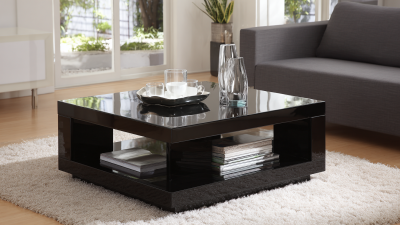
Natural wood, aged brass, or a small black table can sharpen the scheme.
Shape is changing just as noticeably.
Curved sofas, rounded arms, oval coffee tables, and pebble-shaped ottomans soften rooms with hard architectural lines. Low-profile seating creates a wider visual field, while modular pieces support flexible layouts.
Sculptural lounge chairs bring character, but some are less comfortable than they appear. Test the seat depth before choosing one.
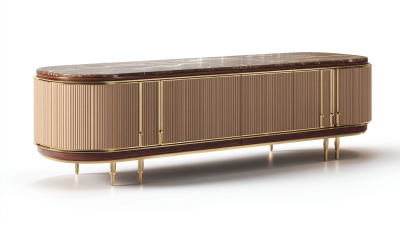
Thin metal legs, fluted cabinet fronts, and asymmetrical shelves add lighter geometric interest.
Texture may be the strongest current trend.
Bouclé, brushed cotton, linen, ribbed wool, and woven jute create visible layers. A smooth leather surface beside a nubby cushion can make neutral furniture feel more intentional.
Wood grain adds warmth, while matte ceramic and lightly polished stone introduce quieter contrast.
Practical experience suggests using washable covers in busy homes. Delicate fabrics look beautiful, but daily life is rarely gentle.
A room can be stylish and still show a few honest marks.
Trend-driven furniture should improve daily life, not merely photograph well. The ten strongest directions include modular sofas, rounded silhouettes, multifunctional tables, hidden storage, ergonomic seating, natural materials, repairable construction, compact designs, vintage-inspired pieces, and integrated lighting.
A 2024 Grand View Research report valued the global home furniture market at over 500 billion dollars, showing strong demand for adaptable interiors. Modular seating matters because households often change. A sectional can separate for guests, then reunite for movie nights. Choose firm cushions with removable covers. Comfort must survive real use.
Comfort must survive real use.
Function also depends on room scale. The 2024 U.S. Houzz & Home Study found that living areas remain common renovation targets, yet renovation budgets require careful prioritization. Measure walking paths before buying oversized furniture. Leave enough clearance around doors and tables.
Look for FSC-certified wood, recycled fibers, and replaceable hardware. These choices can reduce waste, although sustainability claims still require verification. Ask for material certificates and care instructions. Do not trust vague labels.
A low-profile sofa may appear elegant, but it can feel uncomfortable for taller users. I have seen beautiful rooms fail because the seating ignored posture, cleaning, and storage. Trends deserve testing. Sit for ten minutes, open every drawer, and check how fabric behaves under daylight.